Key points
- Abdulrahman Alfozan, an OpenAI engineer, was arrested on October 9 for installing a surreptitious audio device.
- The recording unit was concealed in toilet paper and plugged into a television USB port in an executive conference room.
- OpenAI stated that no model weights, source code, or customer data were inappropriately accessed or exfiltrated.
Abdulrahman Alfozan, a 35-year-old engineer at OpenAI, was arrested on October 9 and charged with using a device to intercept oral communications, according to the US Department of Justice. Federal prosecutors allege he concealed a covert audio recorder inside an executive conference room at the company’s San Francisco offices to capture sensitive discussions.
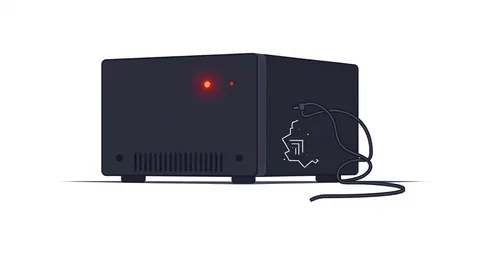
The device, identified as Recording Device 1, was discovered on September 30 plugged into a USB port on the back of a television, according to the Justice Department complaint. OpenAI personnel determined the unit had been installed on or about September 28 and was wrapped in toilet paper to obscure its presence. The contents of the recording device were encrypted.
View the original post on X
View the original post on X
Investigation details
Closed-circuit television footage showed Alfozan near the executive conference room on multiple dates before the discovery, despite having no authority to access the space or attend meetings held there, according to the DOJ. The Verge reports that footage captured Alfozan appearing to look behind the TV where the device was installed. Investigators also found a second recording device in a bag Alfozan left in another office room, along with his wallet and identification.
Prior to the installation, Alfozan used internal productivity tools to make inquiries about OpenAI’s building addresses, meeting room capacities, and leadership locations, according to the complaint. A chatbot account linked to his spouse submitted prompts between September 24 and September 30 regarding building, customizing, and remotely accessing continuous audio recorders.
Affected environments
The compromised executive conference room frequently hosted discussions on highly confidential technical, commercial, and strategic information, including proprietary research and government engagements, according to the Justice Department. OpenAI confirmed that the employee was terminated and the matter referred to the FBI. The company stated there are no indications of unauthorized access to model weights, source code, or customer data.
Next steps
Alfozan made his initial appearance in federal court on October 13, 2026, according to GBHackers. The FBI and Department of Justice continue to investigate the incident as part of broader counterintelligence efforts to protect American intellectual property. No fix has been confirmed yet for the specific circumstances of this arrest.
Signals worth monitoring
Teams usually review badge access logs against CCTV footage to identify employees lingering near restricted zones without authorization. Security operations should check whether internal search queries for sensitive locations or hardware specifications correlate with unusual physical movements. Analysts often look for unexplained USB device connections in network logs or power monitoring systems. First containment moves involve isolating the physical area, preserving digital evidence from connected devices, and revoking all access credentials for the suspect.
What to do and how to stay safe
- Audit physical access logs for employees who lack authorization for high-security meeting rooms.
- Monitor internal search and chatbot queries for terms related to surveillance hardware or building layouts.
- Inspect USB ports on conference room equipment for unauthorized devices or power anomalies.
- Review CCTV footage for individuals loitering near sensitive areas outside of scheduled meeting times.
Step-by-step guide: Phishing Defined: Anatomy of the Attack and Risk Reduction
General security guidance from the SecOps Monitor newsroom. It is not confirmed advice from the organisations named in this story.
Frequently asked questions
Was any data stolen from OpenAI in this incident?
OpenAI stated there are no indications the individual inappropriately accessed or exfiltrated model weights, source code, or customer data.
What charges was the employee facing?
Abdulrahman Alfozan was charged with using or endeavoring to use an electronic device to intercept oral communications.
How was the recording device hidden?
The device was concealed in toilet paper and plugged into a USB port on the back of a television