
Cloud Security
Cloud Ransomware Explained: How Attacks Reach Your Data
Attackers no longer need to break into your computer; they steal the digital keys that unlock your entire cloud storage environment from the outside.
Cloud Security coverage from SecOps Monitor holds 23 articles, 18 of them reference guides. The newest was published on October 14, 2026. New stories are added as soon as they are confirmed, from more than 150 sources checked as often as every 45 seconds. Each story lists its sources. Primary sources we follow for this section include NIST Cybersecurity Framework and Cloud Security Alliance.
Attackers no longer need to break into your computer; they steal the digital keys that unlock your entire cloud storage environment from the outside.
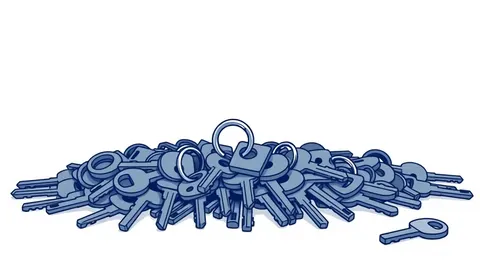
Federated identity shifts trust from individual passwords to verified identity providers, centralizing security controls while expanding the blast radius of a single compromised root account.
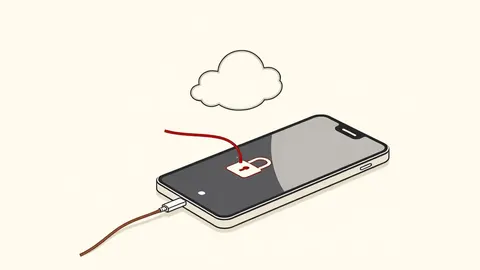
Multi-factor authentication fails to stop account takeover when attackers bypass the login screen or steal session tokens after you have already verified your identity.

Moving security checks earlier in the development lifecycle reduces remediation costs and prevents critical vulnerabilities from reaching production environments.

True resilience requires designing for failure modes that standard uptime metrics ignore, such as correlated power grid events and silent data corruption.
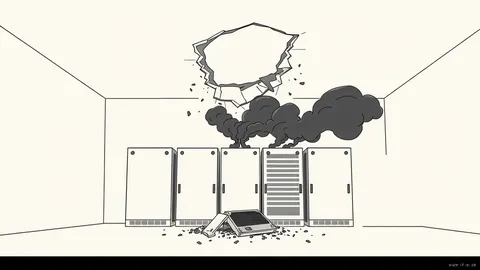
Yandex urges customers to activate disaster recovery plans after drone attacks damaged facilities in Sasovo, Kaluga, and Vladimir, causing widespread service outages.
UK firm Core to Cloud names David Brown Managing Director to oversee operations and grow its managed security services portfolio.

SailPoint executives say the surge in machine identities requires real-time security controls and human accountability for autonomous systems.

Zenity Labs research reveals AgentCorruption flaw lets single prompt hijack AWS AI agents, risking credentials and secrets.
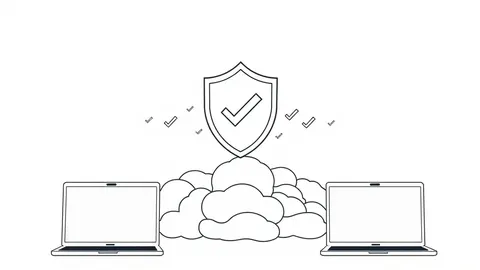
Cloud security compliance shifts liability from static infrastructure checks to continuous validation of dynamic, shared responsibility models.

Cloudflare acquires Deno to simplify self-hosting for Workers and Durable Objects, enabling developers to use consistent primitives across environments.
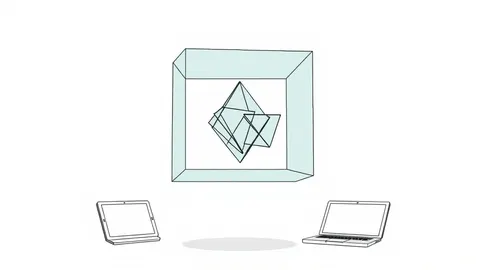
Kubernetes security is not a single product but a layered defense model where every layer from the host OS to the container image requires distinct controls to prevent compromise.
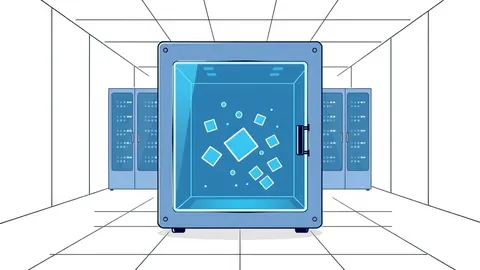
Confidential computing encrypts data while it is being processed, ensuring that even administrators and hypervisors cannot access the plaintext content of your workloads.

Most cloud failures stem from treating ephemeral infrastructure like static servers, causing responders to hunt for ghosts while the attacker persists.

Every API request undergoes a sequential authorization check that can silently fail if role bindings are misconfigured or if service accounts inherit unintended permissions.

Attackers bypass perimeter defenses by stealing session tokens and identity assertions, rendering traditional network security controls irrelevant.
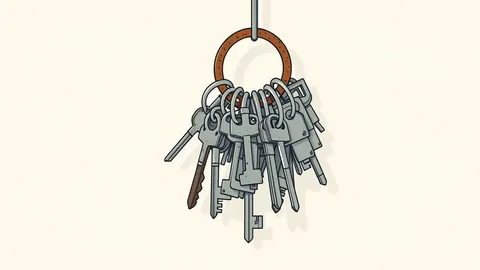
Identity sprawl often hides in dormant service accounts and stale group memberships, creating silent backdoors that standard audits miss entirely.
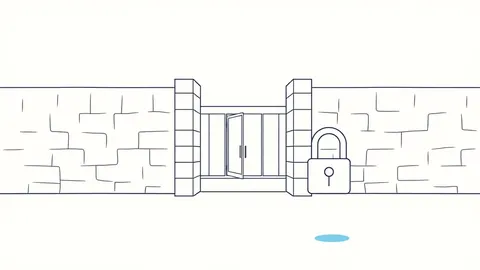
Traditional VPNs grant broad network access based on location, while zero trust verifies every request regardless of where it originates.
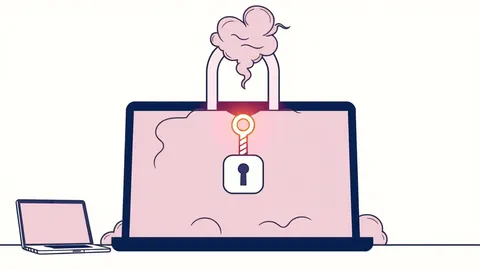
Just-in-time access reduces the attack surface by granting privileges only during active work, but it introduces latency and operational friction that can hinder emergency response.
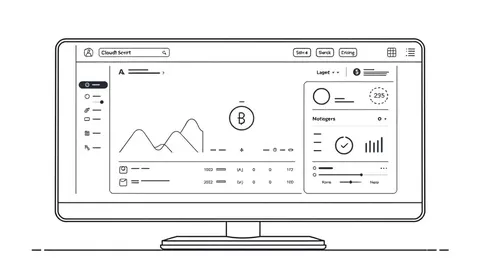
Cryptojacking often bypasses traditional security by exploiting trust relationships and legitimate administrative tools rather than breaking encryption or stealing data.
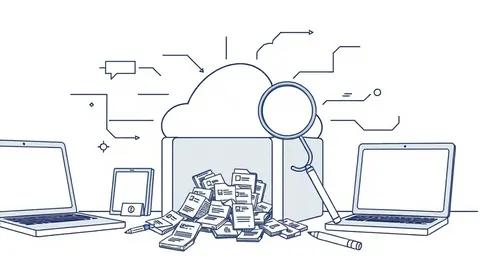
Exposed storage buckets often remain silent in network logs because attackers use standard HTTPS, hiding their activity behind legitimate traffic patterns.
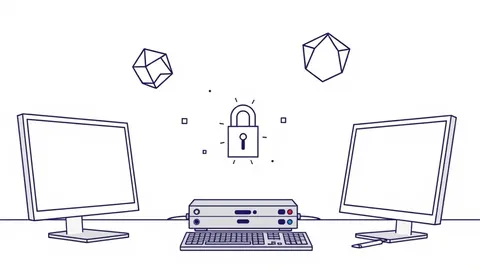
Cloud key management services isolate cryptographic keys from application code, ensuring that even if your servers are compromised, attackers cannot decrypt your stored data without physical access to the hardware security module.
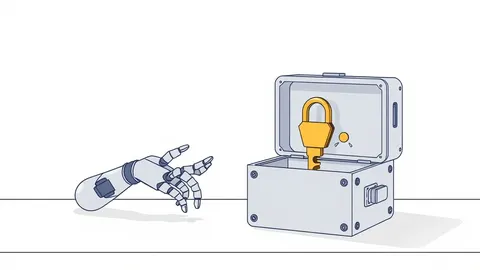
Service accounts operate without human oversight, making them prime targets for automated theft if their permissions exceed the minimum required for their specific technical task.