Data Breaches
Breach Dwell Time Explained: How Long Attackers Hide in Your Network
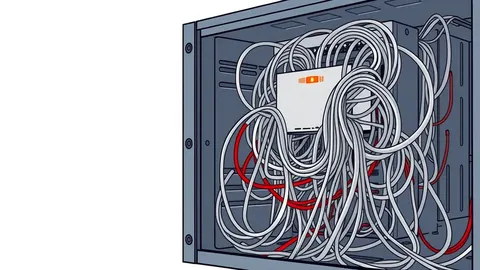
Most organizations spend months detecting intrusions, a delay that allows attackers to map systems, escalate privileges, and exfiltrate data before any alarm sounds.
Data Breaches coverage from SecOps Monitor holds 16 articles, 16 of them reference guides. The newest was published on October 14, 2026. New stories are added as soon as they are confirmed, from more than 150 sources checked as often as every 45 seconds. Each story lists its sources. Primary sources we follow for this section include UK Information Commissioner's Office and IdentityTheft.gov (FTC).
Most organizations spend months detecting intrusions, a delay that allows attackers to map systems, escalate privileges, and exfiltrate data before any alarm sounds.
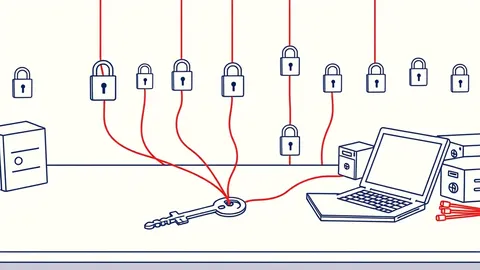
Reusing passwords creates a single point of failure that allows attackers to bypass multi-layered defenses through automated credential stuffing attacks.
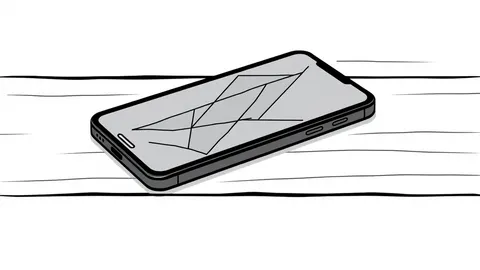
Most data breaches from lost hardware occur because the device sleeps without requiring authentication, allowing physical access to bypass digital locks.
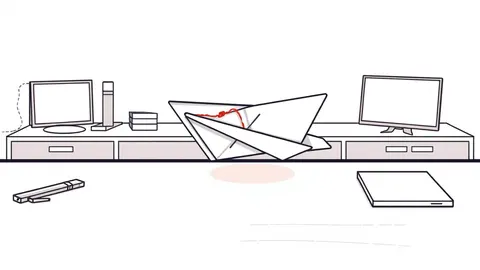
Standard email attachments bypass your security controls, creating unmonitored data exits that attackers exploit to exfiltrate sensitive information without triggering alarms.

Porting your number is just the first step; attackers need your PIN and recovery codes to finish the job and steal your identity.
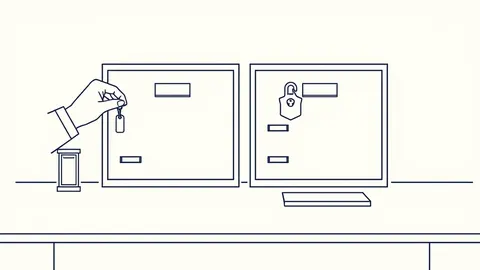
Discretionary access control lets file owners grant permissions, while role based access control assigns rights to job functions, removing individual choice from the equation.

You cannot delete data held by third-party brokers, but you can break the links that allow strangers to aggregate your identity into a single profile.
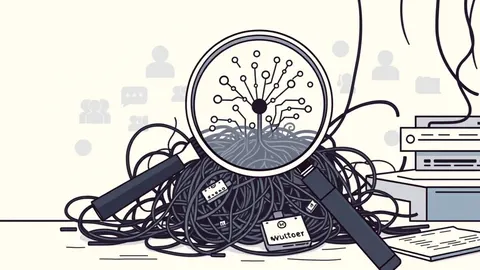
Most organizations waste resources scanning for usernames while ignoring the silent exfiltration of internal architecture and logic secrets.
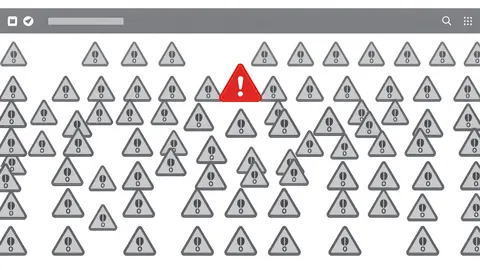
Most fraud alerts fail because they trigger on behavior patterns rather than specific bad actors, creating noise that hides genuine compromise attempts.

Auditors care more about consistent evidence of control operation than perfect security configurations, shifting the focus from state to process.
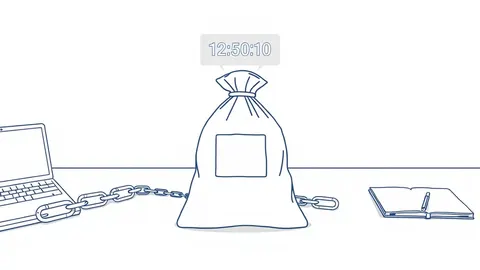
A single missing log entry can invalidate digital evidence, turning a clear breach into a legal stalemate that exposes your organization to liability.
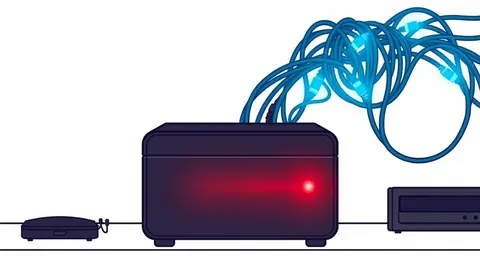
Exfiltration often succeeds because internal systems lack visibility into encrypted traffic, allowing stolen data to pass through standard firewalls unnoticed.
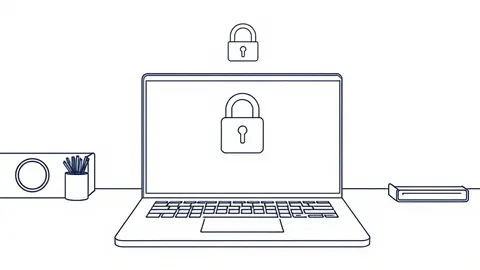
Physical theft becomes a data breach only when encryption fails and remote management cannot isolate the compromised asset from your network.
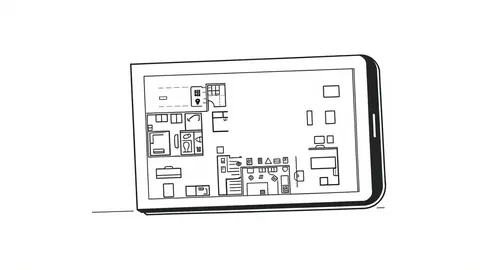
Personal posts expose internal network structures and employee habits, giving attackers the context needed to bypass technical security controls.

Role-based access control separates permissions from identities, allowing systems to enforce rules based on job function rather than individual user accounts.

Most response failures stem from uncoordinated messaging that erodes trust, not from the technical severity of the initial security breach itself.