Malware & Ransomware
How many ransomware groups posted new leak-site claims in the last day?
Data desk counts 43 unverified leak-site assertions in 24 hours, with Qilin leading the volume across multiple US sectors.
Malware & Ransomware coverage from SecOps Monitor holds 17 articles, 14 of them reference guides. The newest was published on October 16, 2026. New stories are added as soon as they are confirmed, from more than 150 sources checked as often as every 45 seconds. Each story lists its sources. Primary sources we follow for this section include UK National Cyber Security Centre and CISA: Stop Ransomware.
Data desk counts 43 unverified leak-site assertions in 24 hours, with Qilin leading the volume across multiple US sectors.
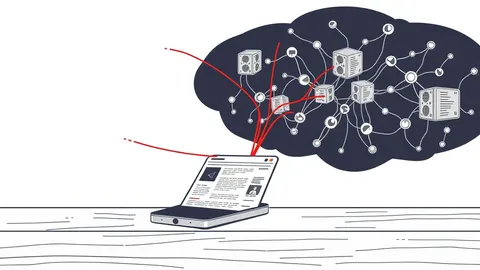
Researchers confirm first case of mercenary spyware distributed through targeted ads without user interaction, exposing mobile devices to silent compromise.
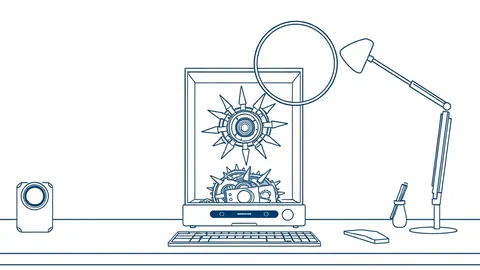
Trojans hide inside legitimate software to bypass security controls, requiring behavioral monitoring rather than simple signature matching for effective detection and removal.
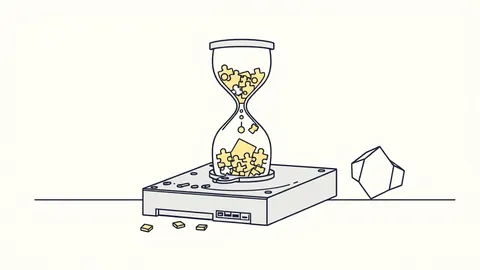
Your recovery time objective defines business survival, not technical speed, and misalignment here causes silent data loss during restoration.
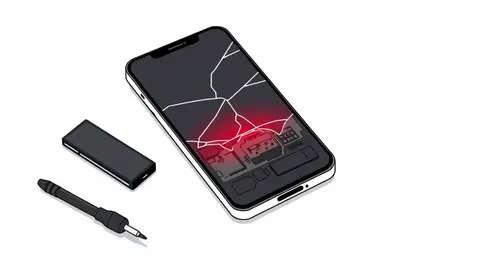
Factory resets fail when malware persists in the bootloader or survives via backup restoration, requiring deeper intervention than standard wiping.
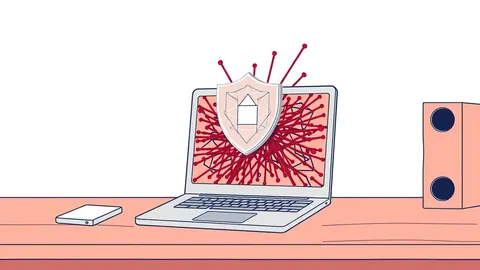
Ransomware protection relies on breaking the attacker’s chain of access before encryption begins, because decryption keys are mathematically unrecoverable once files are locked.
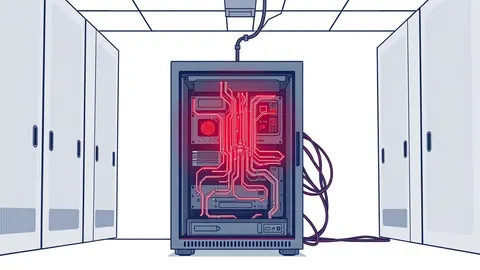
Lumen researchers report that the PoeLLM malware has infected over 3,400 servers, primarily by exploiting exposed AI inference tools and using poetry for command control.
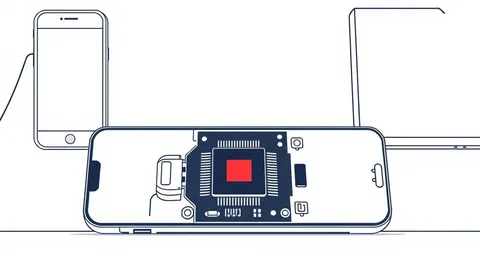
Firmware malware hides in persistent storage, allowing it to survive operating system reinstalls and evade standard security scans that only check volatile memory.
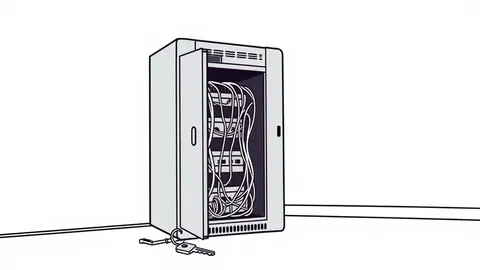
Most Linux infections succeed not because of zero-day exploits, but because administrators left default configurations open and failed to restrict user privileges.
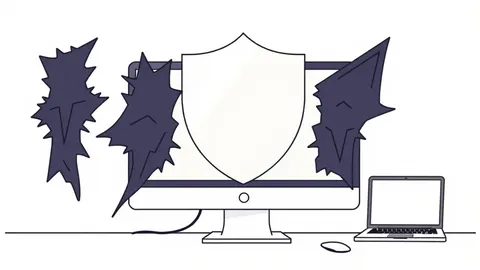
Default-deny policies for scripts prevent execution of unsigned code, stopping malware before it can modify system files or exfiltrate data.
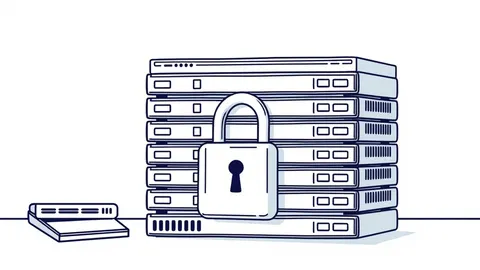
Immutable storage prevents deletion even by administrators, creating a recovery point that survives privilege escalation and persistent threats inside your network.
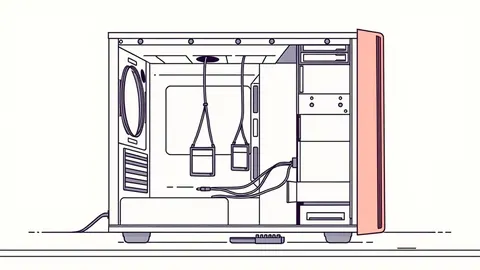
Reimaging restores the operating system but often ignores persistent firmware infections and residual data on secondary partitions that allow attackers to regain control immediately.
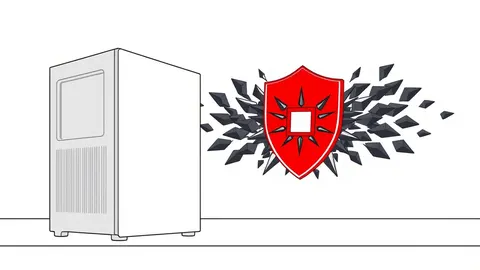
Most Linux infections succeed because administrators rely on perimeters that malware bypasses, rather than restricting what the code can do once it runs.
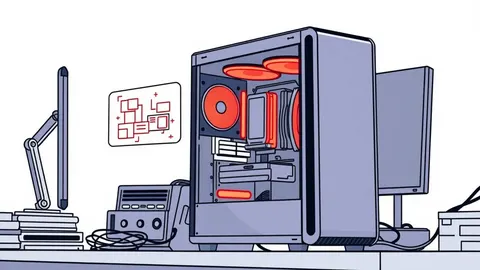
Cryptojacking hides in plain sight by using your hardware for profit rather than stealing data, making it invisible to traditional security tools that monitor network traffic.

Signature scanning catches known threats instantly but remains blind to new code, creating a false sense of security that leaves zero-day exploits undetected.
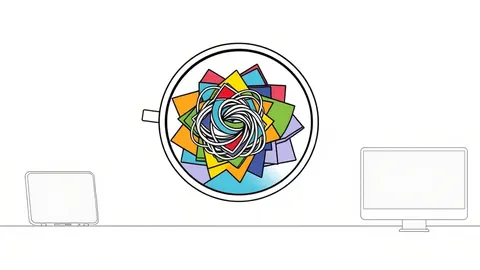
Heuristic detection blocks unknown threats by analyzing code behavior rather than matching known signatures, allowing defenses to catch novel attacks before they execute.
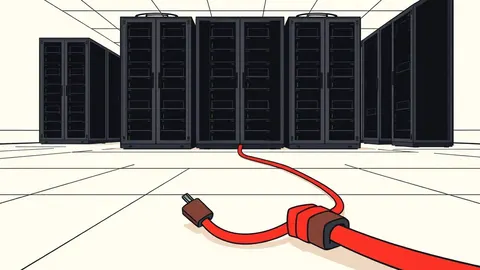
Wiper malware destroys data faster than most backups can restore, making immediate network isolation the only factor that prevents total operational collapse.