
Vulnerabilities
Heap Overflow Response: Containment, Recovery, and Prevention Steps
Immediate network isolation prevents attacker persistence while forensic memory dumps preserve the only evidence of the exploit path.
Everything SecOps Monitor has reported about incident response: 7 stories, newest first. Part of our Data Breaches coverage.
Immediate network isolation prevents attacker persistence while forensic memory dumps preserve the only evidence of the exploit path.
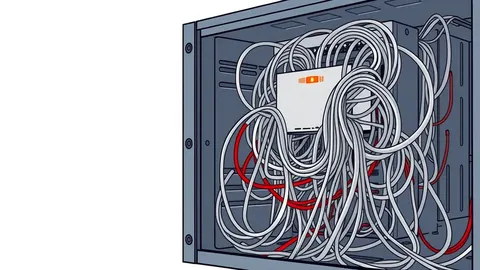
Most organizations spend months detecting intrusions, a delay that allows attackers to map systems, escalate privileges, and exfiltrate data before any alarm sounds.
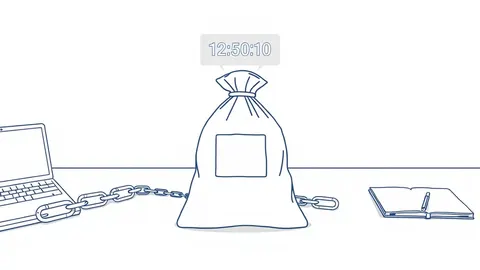
A single missing log entry can invalidate digital evidence, turning a clear breach into a legal stalemate that exposes your organization to liability.

Most cloud failures stem from treating ephemeral infrastructure like static servers, causing responders to hunt for ghosts while the attacker persists.

Security and network operations centers serve different purposes; confusing their distinct alert thresholds causes critical security events to get buried in routine performance noise.

Most long-term intrusions succeed because defenders focus on initial access rather than the quiet persistence mechanisms that allow attackers to survive system reboots and patching cycles.

Most response failures stem from uncoordinated messaging that erodes trust, not from the technical severity of the initial security breach itself.