Vulnerabilities
Stop SAML Authentication Bypass Attacks With These 3 Controls
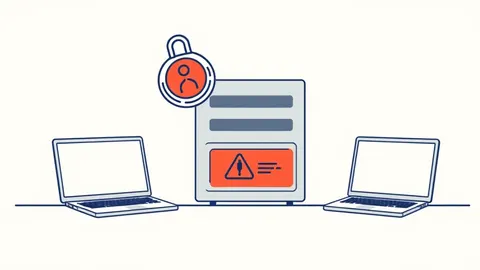
Most SAML bypasses occur not because the protocol is broken, but because the application trusts the assertion without verifying the digital signature or session state.
Everything SecOps Monitor has reported about identity management: 7 stories, newest first. Part of our Cloud Security coverage.
Most SAML bypasses occur not because the protocol is broken, but because the application trusts the assertion without verifying the digital signature or session state.

Cloud security compliance shifts liability from static infrastructure checks to continuous validation of dynamic, shared responsibility models.

Most cloud failures stem from treating ephemeral infrastructure like static servers, causing responders to hunt for ghosts while the attacker persists.

Misconfigured lockout thresholds turn routine password errors into a denial-of-service weapon that shuts down your entire authentication infrastructure.

Attackers bypass perimeter defenses by stealing session tokens and identity assertions, rendering traditional network security controls irrelevant.

Just-in-time access reduces the attack surface by granting privileges only during active work, but it introduces latency and operational friction that can hinder emergency response.
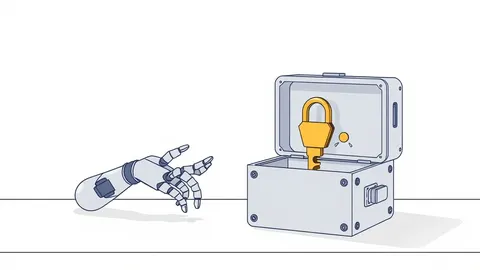
Service accounts operate without human oversight, making them prime targets for automated theft if their permissions exceed the minimum required for their specific technical task.