
Cloud Security
Cloud Ransomware Explained: How Attacks Reach Your Data
Attackers no longer need to break into your computer; they steal the digital keys that unlock your entire cloud storage environment from the outside.
Everything SecOps Monitor has reported about access control: 8 stories, newest first. Part of our Cloud Security coverage.
Attackers no longer need to break into your computer; they steal the digital keys that unlock your entire cloud storage environment from the outside.

Standard email attachments bypass your security controls, creating unmonitored data exits that attackers exploit to exfiltrate sensitive information without triggering alarms.
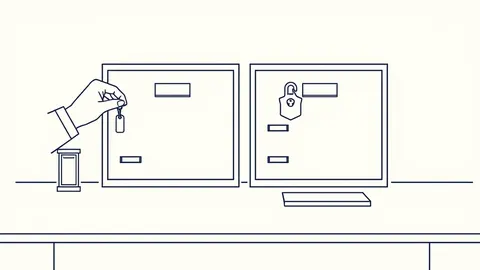
Discretionary access control lets file owners grant permissions, while role based access control assigns rights to job functions, removing individual choice from the equation.
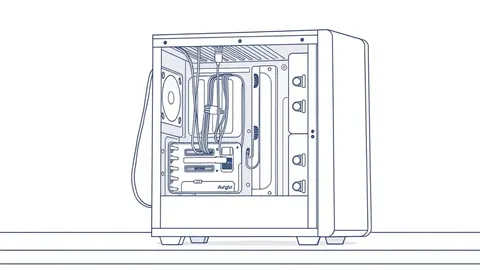
Default configurations prioritize usability over security, meaning every new deployment starts with known weaknesses that attackers scan for automatically.

Misconfigured lockout thresholds turn routine password errors into a denial-of-service weapon that shuts down your entire authentication infrastructure.

Every API request undergoes a sequential authorization check that can silently fail if role bindings are misconfigured or if service accounts inherit unintended permissions.

Identity sprawl often hides in dormant service accounts and stale group memberships, creating silent backdoors that standard audits miss entirely.

Role-based access control separates permissions from identities, allowing systems to enforce rules based on job function rather than individual user accounts.