
Cloud Security
Cloud Ransomware Explained: How Attacks Reach Your Data
Attackers no longer need to break into your computer; they steal the digital keys that unlock your entire cloud storage environment from the outside.
Everything SecOps Monitor has reported about cloud security: 10 stories, newest first. Part of our Cloud Security coverage.
Attackers no longer need to break into your computer; they steal the digital keys that unlock your entire cloud storage environment from the outside.

True resilience requires designing for failure modes that standard uptime metrics ignore, such as correlated power grid events and silent data corruption.
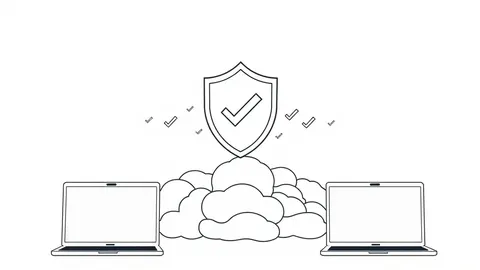
Cloud security compliance shifts liability from static infrastructure checks to continuous validation of dynamic, shared responsibility models.

Confidential computing encrypts data while it is being processed, ensuring that even administrators and hypervisors cannot access the plaintext content of your workloads.

Most cloud failures stem from treating ephemeral infrastructure like static servers, causing responders to hunt for ghosts while the attacker persists.

Every API request undergoes a sequential authorization check that can silently fail if role bindings are misconfigured or if service accounts inherit unintended permissions.
Identity sprawl often hides in dormant service accounts and stale group memberships, creating silent backdoors that standard audits miss entirely.
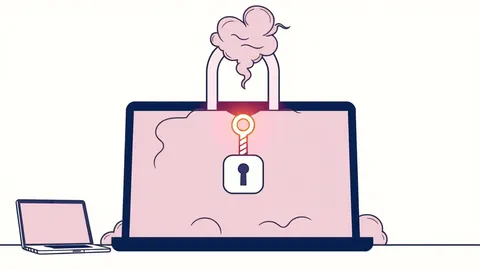
Just-in-time access reduces the attack surface by granting privileges only during active work, but it introduces latency and operational friction that can hinder emergency response.
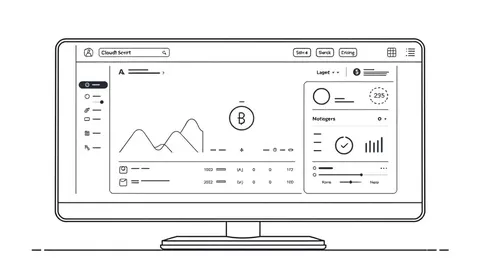
Cryptojacking often bypasses traditional security by exploiting trust relationships and legitimate administrative tools rather than breaking encryption or stealing data.
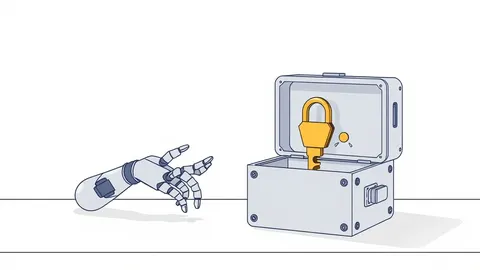
Service accounts operate without human oversight, making them prime targets for automated theft if their permissions exceed the minimum required for their specific technical task.