Key points
- AI-related software on the public internet grew from 164,088 IPs in October 2025 to 267,915 in July 2026.
- The n8n workflow platform accounts for 113,926 of those hosts, with most running vulnerable versions.
- Industrial control systems rose only 4% in two and a half years, but many sit on consumer cellular networks.
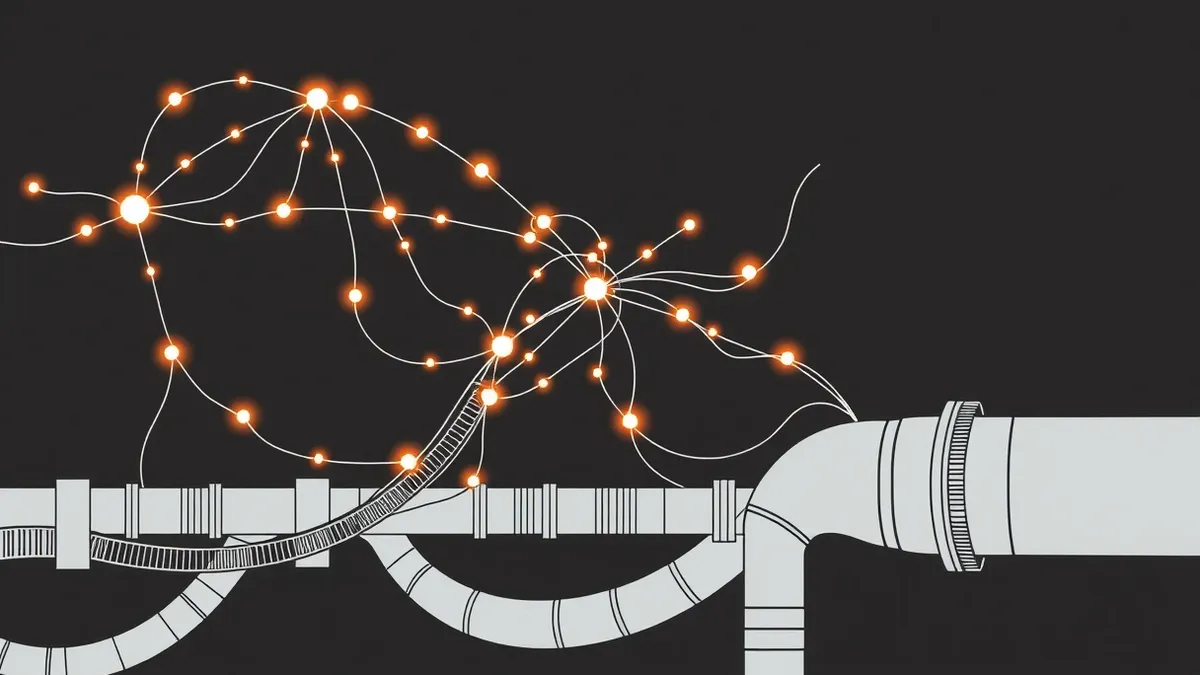
Censys reported a 63% increase in AI-related software exposed to the public internet between October 2025 and July 2026. According to Help Net Security, the internet-scanning company tracked this surge across 44 distinct products. This rapid expansion contrasts sharply with other sectors. Industrial control systems saw only a 4% rise over two and a half years. The disparity suggests different deployment cycles and maintenance practices across industries.
The growth is heavily concentrated in specific tools. n8n, a workflow automation platform used to connect AI agents, accounts for 113,926 hosts. Of the servers reporting versions, 76.1% run releases vulnerable to flaws scored 9.0 or higher. These instances store credentials for connected services. Another tool, OpenClaw, went from two exposed panels to 85,478 in just under three months after its January 2026 release.
Maintenance patterns vary by product
Legacy business products show almost no movement. Censys tracked Telerik Report Server, Jenkins, Cleo MFT and Microsoft SharePoint Server from January 2024 to May 2026. Their oldest version groups changed by less than one percentage point. These are likely abandoned instances. However, active maintenance speeds differ. Jenkins hosts upgraded at 5% to 9% monthly. Cleo MFT hosts moved slowly until critical flaws and ransomware claims prompted 63% of remaining hosts to update by January 2025.
Exposure challenges in industrial networks
Industrial control systems present unique visibility issues. About 134,000 hosts were found in early 2026. Roughly 70% sit on consumer and mobile networks, often behind cellular modems at remote sites. Registration records point to carriers, not operators. Verizon’s network alone hosts 10% of exposed ICS hosts and 27.5% of human-machine interfaces. This makes ownership hard to determine.
Next steps
Security teams must identify which AI tools are in their environment. Verify if n8n or OpenClaw instances are accessible from the internet. Check version numbers against known vulnerability scores. For industrial systems, confirm that remote sites do not expose control panels to consumer networks. Monitor for credential exposure in workflow automation tools. Ensure that legacy business products are isolated or removed if they are no longer maintained.
Signals worth monitoring
Teams usually detect this activity through unexpected inbound connections to workflow or automation ports. Check whether internal services are resolving to public IP addresses without explicit approval. Look for authentication logs showing scans from diverse geographic locations. Monitor for sudden increases in API calls to AI agent endpoints. Verify that credential storage for integrated services is encrypted and access-controlled.
Background: Ransomware
Ransomware protection combines network segmentation, strict least-privilege access, and immutable backups to prevent encryption malware from spreading. You must detect initial access vectors like phishing or unpatched services, isolate infected systems immediately, and restore data from offline copies that attackers cannot modify or delete.
Read the full guide: What Is Ransomware Protection: How to Stop Encryption Attacks
What to do and how to stay safe
- Scan your environment for n8n and OpenClaw instances to verify internet exposure status.
- Review firewall rules to ensure industrial control systems are not accessible via consumer cellular networks.
- Audit legacy business products like Jenkins and SharePoint for unused or abandoned instances
Step-by-step guide: Phishing Defined: Anatomy of the Attack and Risk Reduction
General security guidance from the SecOps Monitor newsroom. It is not confirmed advice from the organisations named in this story.