Key points
- CVE-2026-111853 carries a CVSS score of 8.8, rated HIGH severity.
- The vulnerability exists in the FILESystem:MOUNT:DRIve SCPI command handler.
- Affected devices run firmware versions earlier than 1.21.1.
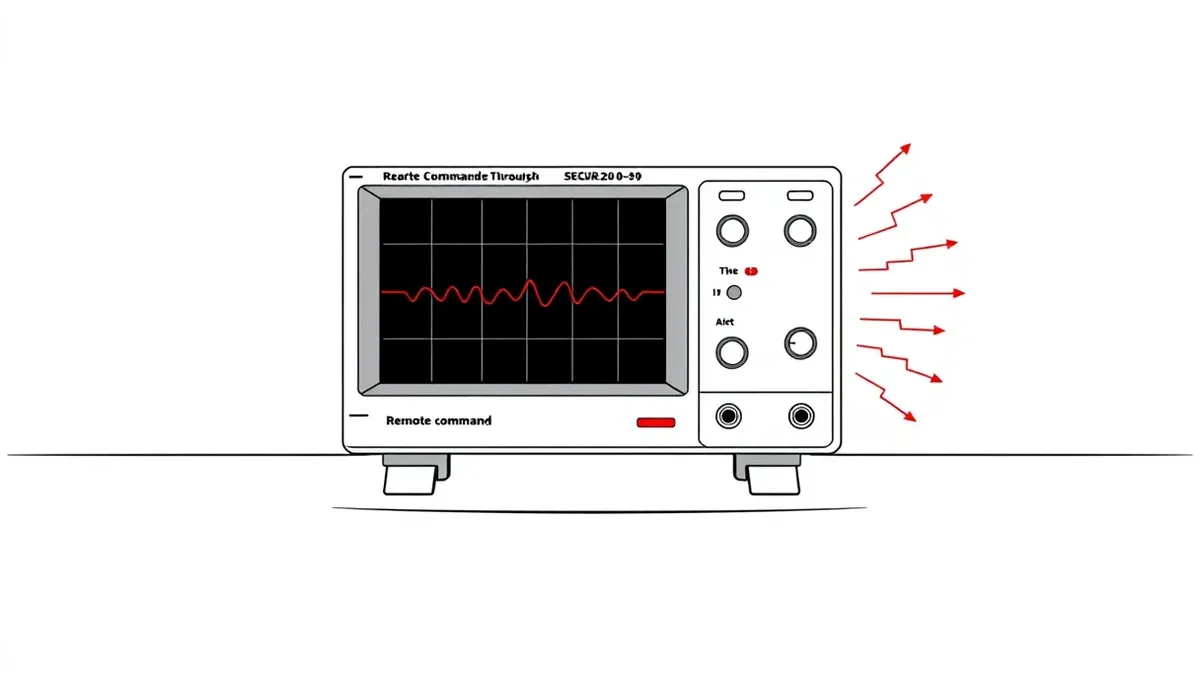
Remote attackers can execute arbitrary operating system commands on Tektronix 3 Series MDO devices. This capability arises from an OS command injection flaw identified as CVE-2026-111853. The National Vulnerability Database assigns the issue a CVSS score of 8.8, classifying it as HIGH severity. The flaw allows execution with elevated privileges, potentially compromising the entire instrument.
The vulnerability stems from insufficient neutralization of user-supplied input. Specifically, the FILESystem:MOUNT:DRIve SCPI command handler fails to properly sanitize data. An attacker sending crafted commands through this interface can inject and execute system-level instructions. This bypasses normal application logic, granting direct access to the underlying operating system functions.
Scope of exposure
The issue affects Tektronix 3 Series MDO devices running firmware versions prior to 1.21.1. Any installation using these older builds is technically exposed to the injection vector. The vulnerability does not appear to be limited to specific sub-models within the 3 Series MDO line, provided the firmware version is below the threshold. Organizations maintaining legacy configurations should verify their current version status immediately.
Next steps
No confirmed fix or patch has been detailed in the source material provided. Administrators should audit their inventory to identify any units running versions earlier than 1.21.1. If devices cannot be updated immediately, consider isolating them from networks where untrusted users can send SCPI commands. Restricting network access to these instruments reduces the attack surface while a permanent solution is sought.
Signals worth monitoring
Security teams should monitor for unusual outbound connections from oscilloscopes or test equipment. Look for unexpected process executions or shell spawns on the device logs. Check for anomalous SCPI command patterns, especially those involving file system operations or mount requests. If you see devices attempting to contact external IP addresses not part of standard maintenance, investigate immediately. Isolate affected segments if suspicious behavior persists to prevent lateral movement across the lab network.
What to do and how to stay safe
- Verify the firmware version on all Tektronix 3 Series MDO units.
- Restrict network access to these devices to trusted management IPs only.
- Monitor logs for unexpected mount commands or process executions.
- Plan to update devices once the vendor provides an official patch.
Step-by-step guide: Emergency Patching Checklist for Critical System Fixes
General security guidance from the SecOps Monitor newsroom. It is not confirmed advice from the organisations named in this story.
Frequently asked questions
What is the CVSS score for CVE-2026-111853?
The CVSS score is 8.8, which is rated as HIGH severity.