Key points
- Malware resides in device firmware, bypassing standard app installation and permission checks.
- Bitdefender detected the campaign in low-cost Android devices using MediaTek platforms.
- Operators use the access to generate fake advertising revenue and manage apps silently.
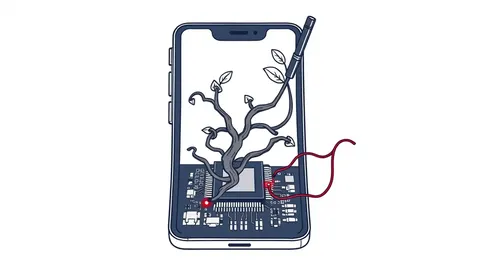
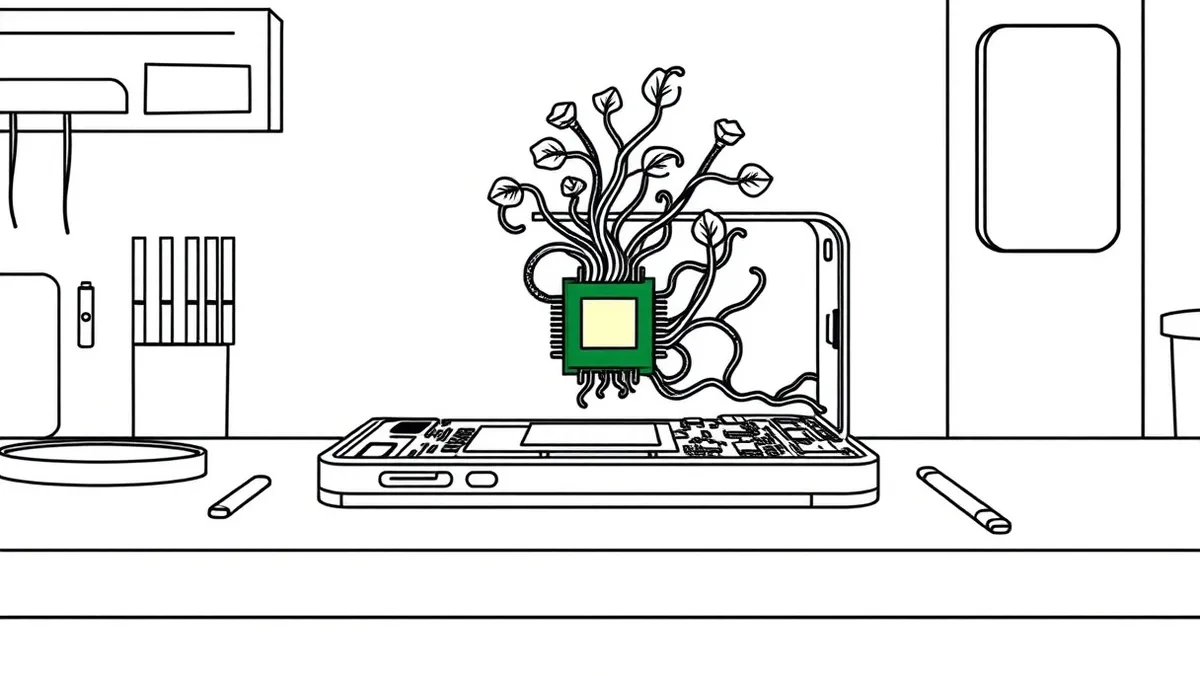
Bitdefender researchers identified the Midnight Mimosa campaign, which embeds malicious code into Android device firmware before owners ever power on their phones. This supply-chain infection method grants operators persistent system access without requiring users to download apps or click phishing links.
The malware hides its core logic within a native library that decrypts an embedded application package using RC4 encryption during startup. This process loads a hidden Java framework capable of downloading additional code modules, allowing remote operators to modify device behavior after purchase.
Technical Operation and Scope
The hidden component masquerades as a standard system package labeled “System” and runs under Android’s system user with a platform certificate. Because it is signed by the platform, it can install applications and grant permissions without user interaction or notification. Standard uninstall tools cannot remove this component because it is integrated into the firmware image itself.
Bitdefender’s detailed report, published on October 8 and updated on October 9, documented thousands of affected devices across more than 150 countries over a two-year period. The researchers used App Anomaly Detection technology to flag the system package for behaving differently than normal Android components.
Geographic Distribution and Device Types
The campaign primarily targets low-cost Android devices built on MediaTek platforms from several manufacturers. Bitdefender’s visibility data showed Mexico, France, and Italy as the top regions for observed infections, followed by the United States, Germany, Brazil, and Spain. These figures reflect the company’s detection scope rather than a definitive global count.
Some infected phones reported counterfeit flagship model names in their system settings, making it difficult to identify the actual hardware or manufacturer through standard labels. This practice complicates efforts to trace the specific supply chain vulnerabilities that allowed the malware to enter the devices.
Next steps
No vendor patch has been confirmed yet to remove Midnight Mimosa from infected firmware. System administrators should monitor for unexplained app installations or permission changes on managed devices, particularly those using MediaTek chipsets. Organizations should review device integrity checks and consider replacing devices that show signs of firmware-level compromise, as standard security tools may not detect the rootkit.
Background: Phishing
Phishing is a social engineering attack that tricks users into revealing credentials or installing malware through deceptive communications. It mimics trusted entities to bypass technical controls. Defense requires layered verification, strict identity protocols, and continuous user education to spot subtle anomalies in context and content.
Read the full guide: Phishing Defined: Anatomy of the Attack and Risk Reduction
What to do and how to stay safe: Midnight Mimosa
- Inspect device firmware signatures and system packages for anomalies, especially on low-cost Android devices.
- Monitor for unauthorized app installations or permission grants that occur without user interaction.
- Verify device model labels against official manufacturer databases to detect counterfeit hardware identifiers.
- Implement strict supply-chain validation processes for bulk device purchases to prevent pre-infected units.
Step-by-step guide: Security Awareness Training Best Practices That Actually Work
General security guidance from the SecOps Monitor newsroom. It is not confirmed advice from the organisations named in this story.
Frequently asked questions
Can users remove Midnight Mimosa through standard settings?
No, because the malware is embedded in the device firmware and signed with a platform certificate, standard uninstall controls cannot remove it.
Which chipsets are affected by this campaign?
The campaign primarily affects Android devices built on MediaTek platforms, particularly low-cost models from various brands.
What is the primary goal of the Midnight Mimosa operators?
The main purpose appears to be generating revenue through fake advertising activity and residential proxy services, while maintaining control over installed apps.