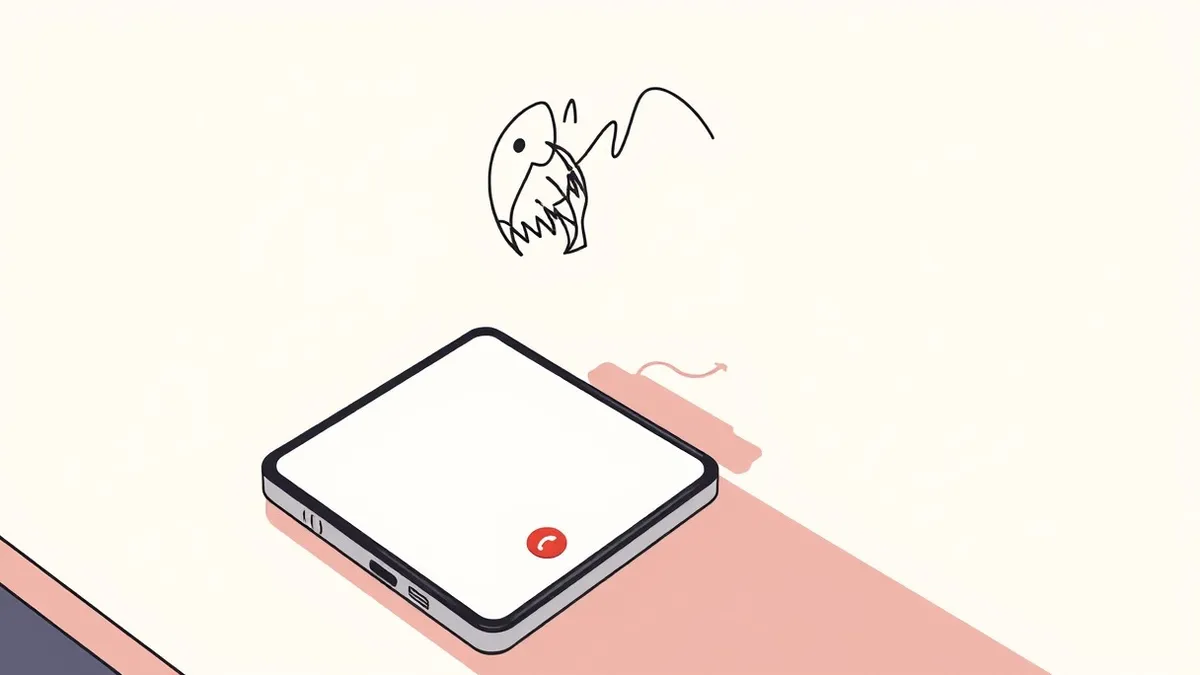
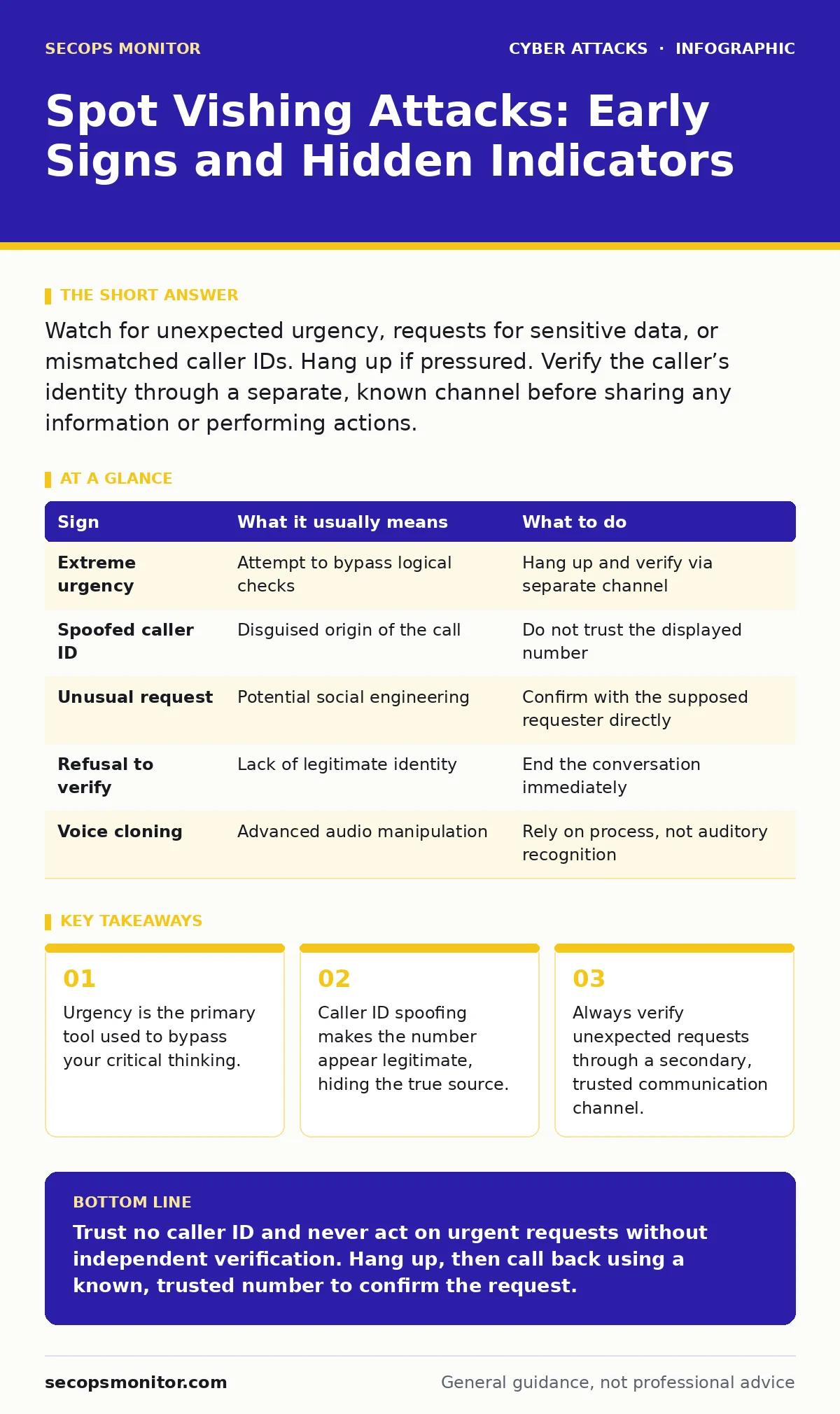
Watch for unexpected urgency, requests for sensitive data, or mismatched caller IDs. Hang up if pressured. Verify the caller’s identity through a separate, known channel before sharing any information or performing actions.
The Psychology of Urgency
Vishing relies on social engineering rather than technical exploits. The attacker’s goal is to trigger an emotional response that overrides your standard verification procedures. You may notice a sense of panic in the caller’s voice or a demand for immediate action. This pressure is intentional. It prevents you from taking the time to validate the request.
Imagine receiving a call stating your account is locked due to suspicious activity. The caller insists you must reset your credentials within minutes or lose access permanently. This scenario creates a narrow window for decision-making. In that window, you are less likely to question the legitimacy of the call. The emotional weight of potential data loss or operational downtime drives compliance.
Caller ID Spoofing Mechanics
Modern vishing attacks frequently use caller ID spoofing. This technique alters the metadata transmitted with the call to display a familiar or authoritative number. The number might match your organization’s IT help desk, a known vendor, or even a colleague’s direct line. This visual confirmation tricks your brain into trusting the voice on the other end.
Do not trust the number displayed on your screen. Attackers can easily replicate local area codes to increase the likelihood of you answering. They may also use numbers that are similar to legitimate ones, differing by only one digit. This subtle variation is often missed in the heat of the moment. The displayed number is merely a label, not proof of identity.
Audio Manipulation and Cloning
Voice synthesis technology has advanced significantly. Attackers can now clone voices using short audio samples collected from public sources like social media or conference calls. This allows them to mimic the tone, cadence, and accent of someone you trust. The result is a convincing audio replica that can bypass auditory recognition.
You might hear a colleague asking for a password or approval for a transfer. The voice sounds correct, but the request is unusual. This discrepancy is the key indicator. Even if the voice is perfect, the context may be wrong. Always treat voice-only requests for sensitive actions with extreme skepticism. The technology exists to deceive your ears, so you must rely on process, not perception.
Subtle Contextual Red Flags
Some signs are harder to detect because they rely on nuance rather than overt threats. The caller might avoid using specific names or titles, opting for vague references like "the team" or "management." They may also refuse to provide a callback number, insisting that the situation is too urgent for a return call. This lack of transparency is a major red flag.
Another hidden sign is the caller’s reluctance to answer direct questions about their identity. If you ask for their employee ID or department and they deflect or become aggressive, hang up. Legitimate staff members understand the need for verification and will cooperate. Attackers rely on your compliance and will resist any friction in the process.
Verification Protocols
When you suspect a vishing attempt, your first step is to disengage. Do not provide any information, even if you believe the caller is legitimate. Hang up the phone immediately. Then, initiate a new contact using a method you know is secure. Call the official number listed on your organization’s intranet or send a message through your internal chat platform.
This process, known as out-of-band verification, ensures you are speaking to the real person. The attacker cannot intercept this secondary channel easily. If the original caller was fraudulent, the legitimate person will be unaware of the request. This breaks the chain of deception. It also provides you with a clear record of the interaction for further investigation.
See also: Phishing Defined: Anatomy of the Attack and Risk Reduction
Response and Reporting
After verifying the situation, report the incident to your security team. Provide details such as the spoofed number, the time of the call, and the nature of the request. This information helps your organization identify patterns and update defenses. It also contributes to broader efforts to mitigate these threats.
Consider integrating these verification steps into your security awareness training. Regular practice ensures that employees remain vigilant even under pressure. You should also review your cyber hygiene practices to ensure that sensitive information is not easily accessible to potential attackers. Reducing the data available for cloning and spoofing limits the effectiveness of these attacks.
| Sign | What it usually means | What to do |
|---|---|---|
| Extreme urgency | Attempt to bypass logical checks | Hang up and verify via separate channel |
| Spoofed caller ID | Disguised origin of the call | Do not trust the displayed number |
| Unusual request | Potential social engineering | Confirm with the supposed requester directly |
| Refusal to verify | Lack of legitimate identity | End the conversation immediately |
| Voice cloning | Advanced audio manipulation | Rely on process, not auditory recognition |
Preventing Future Incidents
To reduce the risk of successful vishing, implement strict policies for handling sensitive requests. Require multi-factor authentication for all administrative actions. This adds a layer of security that a voice call alone cannot bypass. Attackers cannot easily replicate the second factor, such as a hardware token or biometric scan.
You should also be aware of related threats like CEO fraud, which often uses similar social engineering tactics. Understanding the connection between these attacks helps you recognize the broader pattern of deception. Additionally, consider the implications of replay attacks where recorded audio might be used to trick automated systems. Ensuring your systems require dynamic, non-repeatable inputs can mitigate this risk.
Key takeaways
- Urgency is the primary tool used to bypass your critical thinking.
- Caller ID spoofing makes the number appear legitimate, hiding the true source.
- Always verify unexpected requests through a secondary, trusted communication channel.
Trust no caller ID and never act on urgent requests without independent verification. Hang up, then call back using a known, trusted number to confirm the request.
Frequently asked questions
Can I block vishing calls?
You can block specific numbers, but attackers frequently change them. Blocking is not a reliable defense against sophisticated spoofing.
What if I already gave information?
Change your passwords immediately and notify your security team. Monitor your accounts for unauthorized activity.
How do I verify a caller?
Use a separate communication channel, such as an internal chat or a direct phone call to a known number, to confirm the request.
Is voice cloning common?
It is becoming more prevalent as technology improves. Always treat voice requests for sensitive data with skepticism.
How this guide was produced: written by the SecOps Monitor editorial team with AI assistance, checked against the public references listed below, and reviewed when the facts change. See our editorial policy or report an error.