Vulnerabilities
Is Your Windows Environment Exposed to Critical libarchive RCE Flaw?
Microsoft confirms a heap-based buffer overflow in Windows Libarchive allows remote code execution, rated critical by NVD.
Microsoft confirms a heap-based buffer overflow in Windows Libarchive allows remote code execution, rated critical by NVD.

Microsoft confirms a critical remote code execution flaw in Outlook, rated 9.8 by NVD, allowing unauthorized network attacks via heap overflow.
A critical vulnerability in Microsoft Network Policy Server allows remote code execution via an integer underflow, requiring immediate attention from security teams.
A critical injection flaw in Omnispace Agora before version 26.10.0 allows attackers to execute arbitrary code without authentication via the installer.
A critical authorization flaw in Adobe ColdFusion enables low-privileged attackers to execute arbitrary code without any user interaction.
A critical use-after-free flaw in Windows Message Queuing allows remote code execution without authentication across multiple Windows 10 and 11 versions.
A critical heap-based buffer overflow in Windows Text Shaping allows unauthorized network attackers to execute arbitrary code on exposed systems.
Fortinet reports a broken authorization issue in FortiSIEM's web interface that permits authenticated attackers to execute unauthorized commands via HTTP requests.
End-of-life software stops receiving security fixes, leaving your system exposed to known threats that attackers exploit without detection.
Delaying routine updates creates a window where automated scanners identify unpatched systems, allowing attackers to exploit known flaws before you can react.
A critical flaw in Docker Hub allowed attackers to impersonate users via personal access tokens. The vendor patched the issue rapidly and found no evidence of exploitation.
Default configurations prioritize usability over security, meaning every new deployment starts with known weaknesses that attackers scan for automatically.
Small organizations face disproportionate risk from VPN and ADC flaws because these devices sit at the network edge, exposing internal systems directly to untrusted internet traffic.
The OWASP Top 10 reveals that most web application risks stem from configuration errors and outdated code, not sophisticated external attacks.

A critical flaw in Netherman Portal’s password recovery allows attackers to hijack accounts by exploiting distinct error messages and missing rate limits.
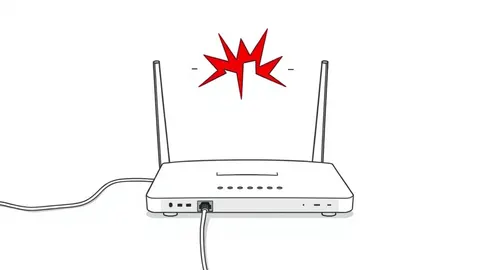
A critical remote command injection flaw in Edimax BR-6208AC firmware 1.32 allows attackers to execute commands through the automatic update interface.
A critical flaw in Neo4j GraphQL versions prior to 7.6.4 allows unauthenticated users to execute Cypher queries, bypassing intended security controls.
A critical flaw in SWUpdate allows attackers to bypass certificate checks by embedding untrusted intermediates in CMS signatures, enabling unauthorized firmware installation.
Unauthenticated attackers can forge bearer tokens in BotSharp 5.2.0 using a hardcoded secret to impersonate administrators and access protected API routes.
A critical object injection flaw in Travesia versions up to 1.1.16 allows untrusted data deserialization, posing severe risks to site security.
Citrix urges immediate patching for a 9.5 severity flaw in NetScaler ADC and Gateway appliances that allows remote code execution.
A critical CVE-2026-105889 flaw in Tickera Event Ticketing System versions up to 3.6.0.6 allows blind SQL injection attacks.
A critical flaw in Privasys Enclave OS Mini allows attackers to relay valid SGX quotes, bypassing attestation checks in versions prior to wasm-v0.40.0.
A critical flaw in the Advanced IP Blocker plugin allows attackers to bypass two-factor authentication and seize full WordPress admin access without a password.