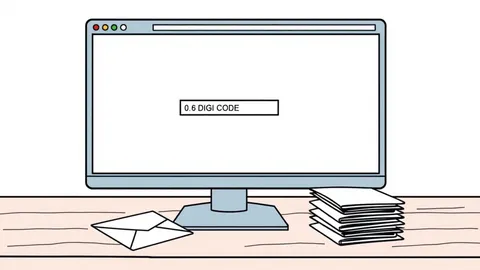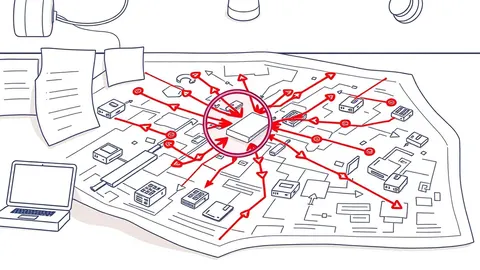
How does CVE-2026-104732 let attackers brute-force TOTP codes to hijack WordPress sites?
A critical flaw in the Advanced IP Blocker plugin allows attackers to bypass two-factor authentication and seize full WordPress admin access without a password.


A critical flaw in the Advanced IP Blocker plugin allows attackers to bypass two-factor authentication and seize full WordPress admin access without a password.

The NVD rates this deserialization flaw as critical with a 9.8 score, impacting ThemeREX Smash versions up to 1.12.0 through object injection.

A critical flaw in the x64dbg-MCP Server plugin allows unauthenticated remote attackers to execute arbitrary commands and access memory before version 1.1.

JetBrains Exposed versions prior to 1.5.1 contain a critical SQL injection flaw. Admins must upgrade to mitigate remote code execution risks immediately.

A critical flaw in PHPNuxBill allows unauthenticated attackers to guess password reset codes without limits, risking full account takeover for customers.

Default binding in modern frameworks allows users to modify hidden fields, turning convenient APIs into direct paths for privilege escalation and data corruption.

Severity ratings transform an unmanageable flood of alerts into a ranked list of actions based on technical exploitability and business impact.

Memory-safe languages eliminate entire classes of vulnerabilities by managing memory access rules at compile time, removing the burden from manual code reviews.

Updating dependencies often introduces new attack surfaces and configuration drift that outweigh the security benefit of closing known flaws.

Threat modeling prevents architectural blind spots by forcing you to map data flow before code exists, though it cannot replace runtime detection.

Dynamic testing finds logic flaws that static scanners miss, but it requires a dedicated test environment to prevent accidental data loss or service disruption.

Default router settings expose internal networks to external attacks, requiring specific configuration changes to prevent unauthorized access.

Memory-safe languages enforce ownership rules at compile time, eliminating entire classes of memory corruption vulnerabilities without requiring runtime garbage collection overhead.

Rushing a patch deployment without validating dependency chains often introduces new failure points that exceed the original vulnerability risk.

Mass assignment flaws hide in plain sight because servers process data silently, leaving only subtle timing or schema anomalies in logs rather than obvious error codes.

CISA mandates federal patching of a high-severity ISC BIND denial-of-service vulnerability by October 11, 2026.

The ppt2png npm package versions up to 0.0.6 contain a critical OS command injection flaw allowing attackers to run arbitrary system commands via unsanitized input.

Google releases Chrome 155 for desktop, fixing 24 security issues including four critical memory safety bugs.