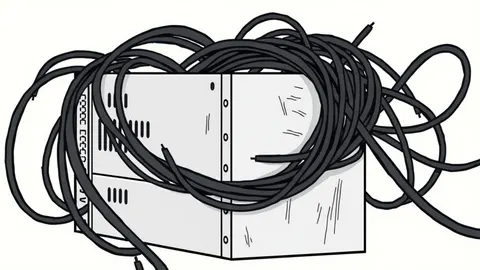
Vulnerabilities
Emergency Patching Checklist for Critical System Fixes
Rushing a patch deployment without validating dependency chains often introduces new failure points that exceed the original vulnerability risk.
Rushing a patch deployment without validating dependency chains often introduces new failure points that exceed the original vulnerability risk.
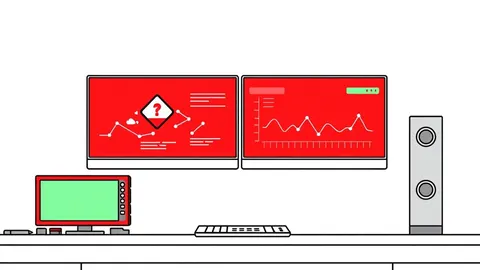
Security and network operations centers serve different purposes; confusing their distinct alert thresholds causes critical security events to get buried in routine performance noise.

Role-based access control separates permissions from identities, allowing systems to enforce rules based on job function rather than individual user accounts.

Mass assignment flaws hide in plain sight because servers process data silently, leaving only subtle timing or schema anomalies in logs rather than obvious error codes.

Most long-term intrusions succeed because defenders focus on initial access rather than the quiet persistence mechanisms that allow attackers to survive system reboots and patching cycles.

Heuristic detection blocks unknown threats by analyzing code behavior rather than matching known signatures, allowing defenses to catch novel attacks before they execute.

Cloud key management services isolate cryptographic keys from application code, ensuring that even if your servers are compromised, attackers cannot decrypt your stored data without physical access to the hardware security module.

Most response failures stem from uncoordinated messaging that erodes trust, not from the technical severity of the initial security breach itself.
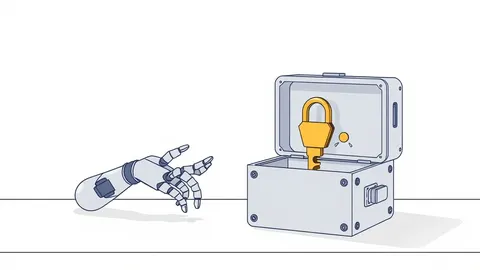
Service accounts operate without human oversight, making them prime targets for automated theft if their permissions exceed the minimum required for their specific technical task.

Attackers do not guess passwords randomly; they automate millions of common words against your login pages until they find a match.

Phishing succeeds by exploiting human trust and cognitive shortcuts, not by breaking encryption or bypassing firewalls.
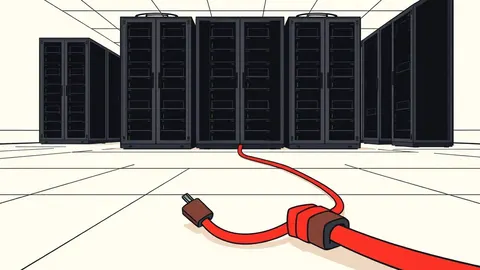
Wiper malware destroys data faster than most backups can restore, making immediate network isolation the only factor that prevents total operational collapse.
Clarify the mechanical difference between event correlation and automated response, ensuring you deploy each tool for its specific operational purpose rather than overlapping functions.

You will learn how to weigh detection gains against operational noise and decide when simulation adds value to your security posture.