
Vulnerabilities
Patch Prioritization: How to Rank and Deploy Fixes Safely
Prioritizing patches by actual risk exposure prevents system downtime and reduces the window for exploitation compared to applying every update immediately.
The SecOps Monitor Knowledge Desk is the part of the SecOps Monitor newsroom that covers reference guides that explain the ideas behind the headlines. It is a newsroom desk, not a single person. Sections: Guides. Guides are drafted with AI assistance, carry no invented statistics and are reviewed when the facts change. It has published 110 articles so far. See the editorial policy or report an error.
Prioritizing patches by actual risk exposure prevents system downtime and reduces the window for exploitation compared to applying every update immediately.

Virtual private network hardware often hides deeper configuration errors that standard vulnerability scanners cannot detect or quantify accurately.

Unsupported software creates unpatchable attack surfaces that vendors will never fix, forcing you to rely on network isolation and virtual patching rather than native updates.

Overly strict WAF rules block legitimate traffic while overly permissive settings allow attackers to bypass security controls entirely.

Immediate network isolation prevents attacker persistence while forensic memory dumps preserve the only evidence of the exploit path.
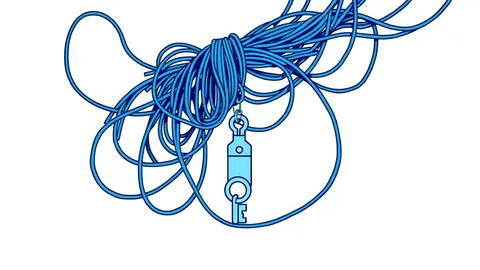
Hardcoded secrets embed access credentials directly into application code, creating a permanent backdoor that survives deployment and code reviews.

Small businesses face disproportionate risk from Ivanti vulnerabilities because attackers target weak configuration defaults rather than complex code flaws.

OpenSSL flaws rarely break encryption math directly; they corrupt memory management, allowing attackers to read secrets or crash services without ever decrypting traffic.

Object identifiers act as direct keys to your database rows, and failing to verify ownership allows any user to access any record.

Most SAML bypasses occur not because the protocol is broken, but because the application trusts the assertion without verifying the digital signature or session state.

Attackers no longer need to break into your computer; they steal the digital keys that unlock your entire cloud storage environment from the outside.

Federated identity shifts trust from individual passwords to verified identity providers, centralizing security controls while expanding the blast radius of a single compromised root account.

Deception technology shifts detection from monitoring normal behavior to triggering immediate alerts on any interaction with fake assets.

Most organizations spend months detecting intrusions, a delay that allows attackers to map systems, escalate privileges, and exfiltrate data before any alarm sounds.
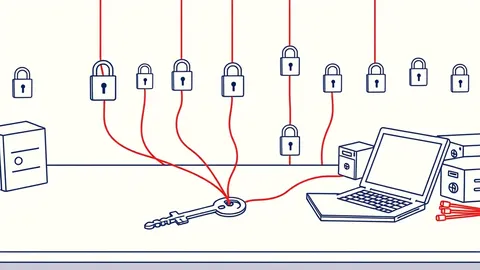
Reusing passwords creates a single point of failure that allows attackers to bypass multi-layered defenses through automated credential stuffing attacks.

Attackers exploit the Kerberos pre-authentication bypass to harvest ticket-granting tickets offline, allowing them to crack credentials without triggering standard authentication logs on the domain controller.

Most data breaches from lost hardware occur because the device sleeps without requiring authentication, allowing physical access to bypass digital locks.

Standard email attachments bypass your security controls, creating unmonitored data exits that attackers exploit to exfiltrate sensitive information without triggering alarms.

Porting your number is just the first step; attackers need your PIN and recovery codes to finish the job and steal your identity.

Discretionary access control lets file owners grant permissions, while role based access control assigns rights to job functions, removing individual choice from the equation.

Trojans hide inside legitimate software to bypass security controls, requiring behavioral monitoring rather than simple signature matching for effective detection and removal.

Your recovery time objective defines business survival, not technical speed, and misalignment here causes silent data loss during restoration.

Factory resets fail when malware persists in the bootloader or survives via backup restoration, requiring deeper intervention than standard wiping.

Multi-factor authentication fails to stop account takeover when attackers bypass the login screen or steal session tokens after you have already verified your identity.