
Cyber Attacks
MFA Fatigue Attacks: How Spammers Bypass Security and How to Stop Them
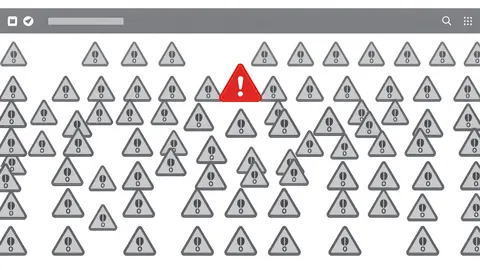
Attackers exploit human patience by flooding devices with login prompts until a user approves one by accident or annoyance, bypassing second-factor checks.
Attackers exploit human patience by flooding devices with login prompts until a user approves one by accident or annoyance, bypassing second-factor checks.

Most Linux infections succeed not because of zero-day exploits, but because administrators left default configurations open and failed to restrict user privileges.

Kubernetes security is not a single product but a layered defense model where every layer from the host OS to the container image requires distinct controls to prevent compromise.

Focusing on attacker behavior rather than static signatures reveals threats that traditional tools miss, allowing for earlier detection and more accurate response.

TTPs describe the specific methods attackers use to move through a network, allowing defenders to detect behavior rather than just known file signatures.

The Diamond Model forces you to track adversary capabilities and infrastructure, revealing why blocking one attack vector fails when the attacker pivots to another.

Confidential computing encrypts data while it is being processed, ensuring that even administrators and hypervisors cannot access the plaintext content of your workloads.

Default-deny policies for scripts prevent execution of unsigned code, stopping malware before it can modify system files or exfiltrate data.

Botnets hide in plain sight by using legitimate cloud services to mask command traffic, making simple port blocking ineffective against modern distributed threats.

Immutable storage prevents deletion even by administrators, creating a recovery point that survives privilege escalation and persistent threats inside your network.

Default binding in modern frameworks allows users to modify hidden fields, turning convenient APIs into direct paths for privilege escalation and data corruption.

Reimaging restores the operating system but often ignores persistent firmware infections and residual data on secondary partitions that allow attackers to regain control immediately.

Most organizations waste resources scanning for usernames while ignoring the silent exfiltration of internal architecture and logic secrets.
Most fraud alerts fail because they trigger on behavior patterns rather than specific bad actors, creating noise that hides genuine compromise attempts.

Auditors care more about consistent evidence of control operation than perfect security configurations, shifting the focus from state to process.

Most Linux infections succeed because administrators rely on perimeters that malware bypasses, rather than restricting what the code can do once it runs.

Attackers manipulate psychological urgency to bypass logical checks, often using voice cloning or spoofed caller IDs to mimic trusted colleagues.

Cryptojacking hides in plain sight by using your hardware for profit rather than stealing data, making it invisible to traditional security tools that monitor network traffic.

A single missing log entry can invalidate digital evidence, turning a clear breach into a legal stalemate that exposes your organization to liability.

Exfiltration often succeeds because internal systems lack visibility into encrypted traffic, allowing stolen data to pass through standard firewalls unnoticed.

Most financial frauds fail not because of technology, but because attackers exploit the human tendency to obey authority under time pressure.

Physical theft becomes a data breach only when encryption fails and remote management cannot isolate the compromised asset from your network.

Most cloud failures stem from treating ephemeral infrastructure like static servers, causing responders to hunt for ghosts while the attacker persists.

Severity ratings transform an unmanageable flood of alerts into a ranked list of actions based on technical exploitability and business impact.