What Is Ransomware Protection: How to Stop Encryption Attacks
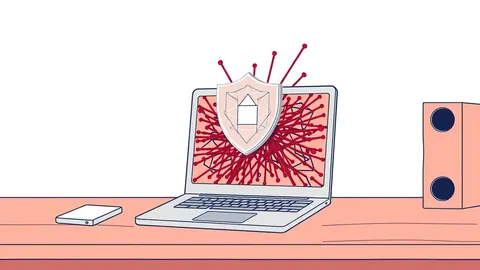
Ransomware protection relies on breaking the attacker’s chain of access before encryption begins, because decryption keys are mathematically unrecoverable once files are locked.


Ransomware protection relies on breaking the attacker’s chain of access before encryption begins, because decryption keys are mathematically unrecoverable once files are locked.
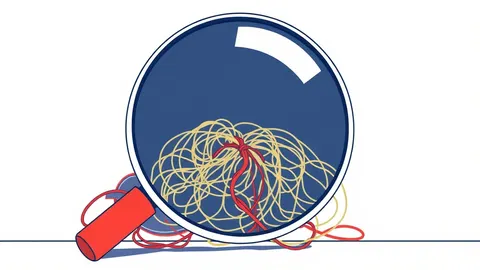
The Diamond Model reveals hidden links between attacker tools and victim systems that traditional log analysis often misses entirely.

Attackers intercept and rewrite your login page in real time, so you see a genuine site while they steal your credentials and session tokens instantly.

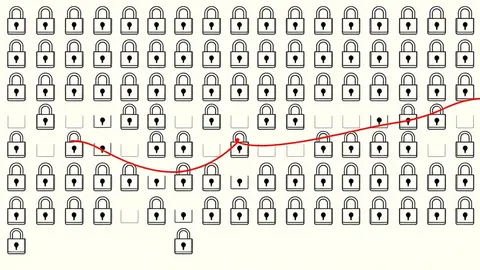
Attackers bypass lockouts by guessing one weak password against thousands of accounts, turning speed limits into a blind spot for your defenses.

Low-bandwidth HTTP requests can exhaust server thread pools, causing denial of service without triggering traditional volume-based intrusion detection systems.

Attackers rarely breach firewalls to steal payroll data; they manipulate trusted relationships and exploit fragmented approval workflows to redirect funds silently.

Your users will visit a malicious site if your brand name has only one letter difference from the attacker’s domain.

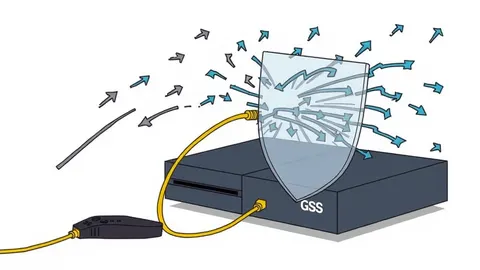
DDoS protection for game servers works by filtering traffic before it reaches your infrastructure, ensuring legitimate players connect while malicious packets are discarded at the network edge.

Incident triage determines which alerts require immediate human intervention, preventing response teams from burning out on noise while missing critical intrusions.

Typosquatting exploits human typing errors by registering lookalike domains that redirect traffic to malicious infrastructure before users notice the URL mismatch.

End-of-life software stops receiving security fixes, leaving your system exposed to known threats that attackers exploit without detection.

Delaying routine updates creates a window where automated scanners identify unpatched systems, allowing attackers to exploit known flaws before you can react.

Default configurations prioritize usability over security, meaning every new deployment starts with known weaknesses that attackers scan for automatically.

Moving security checks earlier in the development lifecycle reduces remediation costs and prevents critical vulnerabilities from reaching production environments.

Attackers modify system records to hide their presence, making it impossible to distinguish normal activity from malicious behavior without external verification.

Small organizations face disproportionate risk from VPN and ADC flaws because these devices sit at the network edge, exposing internal systems directly to untrusted internet traffic.

True resilience requires designing for failure modes that standard uptime metrics ignore, such as correlated power grid events and silent data corruption.

The OWASP Top 10 reveals that most web application risks stem from configuration errors and outdated code, not sophisticated external attacks.

Understanding the specific financial or ideological motive behind an attack allows you to predict the next move before the breach completes.

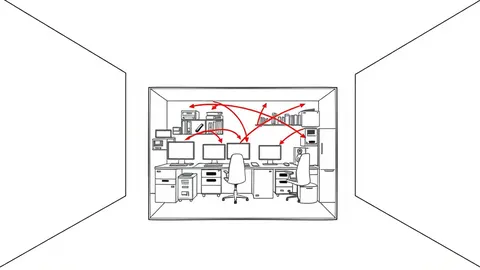
Internal network monitoring catches lateral movement that perimeter sensors miss, making interior placement a standard practice for modern defense.

You cannot delete data held by third-party brokers, but you can break the links that allow strangers to aggregate your identity into a single profile.

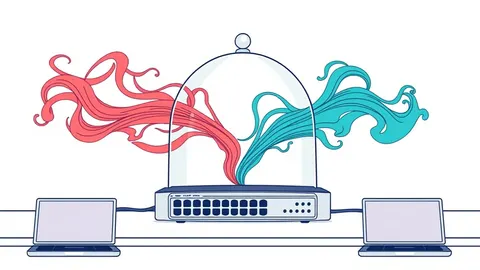
DNS poisoning alters cached records to redirect traffic, while DNS spoofing forges packet identities to hijack active sessions or bypass authentication checks.

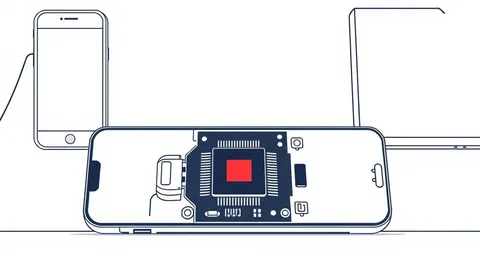
Firmware malware hides in persistent storage, allowing it to survive operating system reinstalls and evade standard security scans that only check volatile memory.

Cloud security compliance shifts liability from static infrastructure checks to continuous validation of dynamic, shared responsibility models.